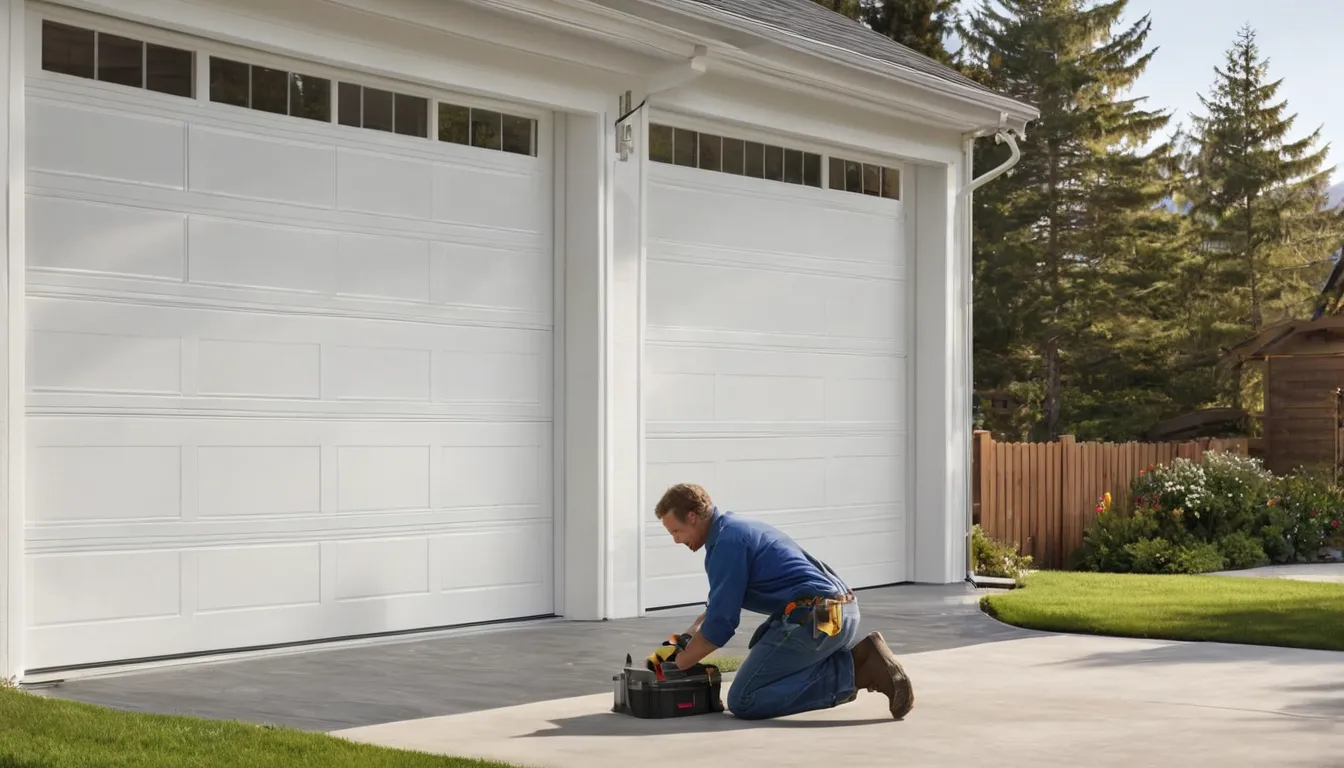
A garage door is the biggest moving part in your home. When it sticks, shakes or drops, it can cost you money and put your family at risk. Comparisonincreasingly Garage Doors is a referral service. We connect Castle Pines homeowners with independent providers in our network who do the repair work.
This page shows you what is behind common problems, what you can check safely, and what needs pro tools. You will also see typical U.S. price ranges and tips for comparing written quotes. Quote before commitment: that is how you keep a small repair from turning into a big bill.
Door stuck or unsafe? Start here
If the door is half open, crooked or falling fast, stop using it. Keep kids and pets away. Do not stand under it or try to force it.
Then look at what you can see from the floor. Is a cable hanging loose? Is a panel bent? Did the door make a loud bang first? Those clues help a provider guess the problem before arriving.
Safe jobs for a homeowner
Some small tasks are fine for most people. Safe jobs, pro jobs: this list is the safe side.
- Wipe dirt and grit from the tracks with a dry cloth.
- Clear leaves, ice or a stray toy from the door's path.
- Check the opener's wall button and replace weak remote batteries.
- Test the photo-eye sensors near the floor and wipe their lenses.
- Spray a garage-door lubricant on rollers and hinges.
Pro jobs only
Some parts hold huge force. Springs and lift cables can injure you badly if they let go. Brackets near them are under strain too. Leave these to a trained provider with winding bars and the right clamps.
Request Help
Common garage door repairs
Most calls come down to a short list of parts. Know the cost drivers, and each quote makes more sense.
- Worn or noisy rollers
- Bent or loose tracks
- Broken springs or frayed cables
- Sensors that will not line up
- Cracked or dented panels
- Worn weatherstripping at the bottom edge
Parts are usually the smaller part of the bill. Labor, the door's weight and how hard the part is to reach add up fast.
Track alignment and jammed doors
A door that jerks, rubs or leaps off its path often has a track alignment problem. Tracks can shift after a bump from a car or after years of vibration. Loose bolts are a common cause.
You can look for gaps or dents. You can gently check that the bolts feel snug. Do not hammer a bent track back into shape. A kinked track can leave the door off balance. A provider can straighten or replace it with the door secured.
Opener trouble and a new garage door opener
If the motor hums but the door stays put, the problem may be the springs, not the opener. If nothing happens at all, try the remote batteries and the power outlet first.
An older opener may still run but struggle with a heavy door. Then a new garage door opener can be the smarter spend. Ask the provider whether the issue is the motor, the gear, the circuit board or the door itself. Fixing the wrong thing wastes money.
Why door balance matters
A well-balanced door should stay halfway up when you lift it by hand with the opener disconnected. Leave that test to a provider, because releasing the door can be risky.
When the springs weaken, the opener works harder. That wears out the motor sooner. Fixing balance early often protects the opener, the cables and the tracks. Garage door spring repair is a pro job, so ask for it by name when you request an estimate.
Request Help
Emergency garage service: what it means
Some problems cannot wait. A door stuck open leaves your home exposed. A door stuck shut can trap your car. A broken spring with a half-lifted door is a safety risk.
Request a callback to check provider availability. Many providers can respond quickly, but hours and response times vary, so ask what to expect and what the visit may cost.
Repair or replace?
Think in trade-offs. A single bad roller or sensor is a clear repair. A door with several damaged panels, rust and a failing opener may cost more to patch than to swap.
Ask the provider for both numbers in writing. Compare the repair price with the cost of a new section or door. Also ask how long the repaired parts should last.
Sun, snow and swings in weather
Intense sun can dry out seals and fade finishes. Heavy snow and a fast spring melt can leave water and ice in the tracks and at the bottom seal. Hail can dent panels. Cold air can stiffen grease and make a door sound louder.
After a storm, look for dents, gaps and ice buildup. Document any damage with photos. Some policies may cover sudden damage, so check your policy. Providers can often help document damage for a claim.
Keep your door running longer
A few minutes each season can save a repair bill.
- Look over the door and hardware every few months.
- Lubricate moving parts, not the tracks.
- Check the bottom seal for cracks.
- Listen for new grinding or squeaks.
- Schedule a pro tune-up if the door feels heavy.
Choosing a garage door provider
Ask if the provider is licensed and insured where required, and ask who will do the work. Ask what is included in the price. Ask about parts and labor coverage in writing.
Be careful with a very vague phone price. Some jobs look simple until the door is inspected.
Compare written quotes
Get at least two if you have time. Check that each quote lists the parts, labor, trip fees and any warranty. A fair quote is clear, not rushed. If something is unclear, ask before you say yes.
Request Help
What's Included
Spring and cable checks
A provider inspects the springs and cables with the right tools and tells you what is worn.
Track and roller repairs
Bent tracks, noisy rollers and loose hardware are adjusted or replaced so the door moves smoothly.
Opener
Remote, sensor and motor problems are tested so you know whether to repair or replace the opener.
Panels
Dented or cracked sections and worn seals are looked at, with options laid out in writing.
What garage door repairs typically cost
These are typical U.S. ranges for common jobs. Your price depends on door size, weight, parts, and how hard the work is. Treat the numbers as a guide, and ask each provider for a written quote.
| Repair item | Typical range | Notes |
|---|
| Roller replacement | $100 – $300 | Nylon or steel; depends on the number of rollers |
| Track alignment or repair | $100 – $350 | More if a section must be replaced |
| Spring replacement | $150 – $450 | Single or pair; door weight matters |
| Lift cable replacement | $100 – $250 | Often done with spring work |
| Opener repair | $100 – $400 | Sensors cost less than motor parts |
| Panel replacement | $250 – $1,200 | Depends on style, insulation and match |
Request Help
How It Works
Describe the problem
Tell us what the door does: stuck, noisy, crooked or silent. A few details help a provider plan the visit.
Request your estimate
Send the short form, or request a callback to check provider availability. A local provider will reach out.
Review the written quote
Look at parts, labor and fees. Ask questions and compare if you have time.
Approve and schedule
Choose a provider and book a time. The provider completes the work.
Why Call Comparisonincreasingly Garage Doors
Fewer phone calls
Start with one request instead of ringing around, and reach an independent provider while the problem is still small.
Clear cost drivers
We explain what moves a garage door price so quotes make sense before you agree.
Safe jobs, pro jobs
You get honest advice on what to check yourself and what needs trained hands and tools.
Quote before commitment
Compare written estimates from local providers with no obligation, then pick the one that fits your door and budget.
Other Services